


TL;DR – Quick Takeaways
- A personal care assistant supports daily living, not medical treatment
- Responsibilities include hygiene, mobility, meals, and companionship
- A personal care assistant is legally permitted to perform non-medical care only
- Medication administration depends on regional laws and training
- Personal care assistant salary is rising globally
- DSmart.AI is revolutionizing personal care with AI-driven monitoring, reminders & smart workflows
- Digital visibility and trust for care providers are powered by MindCentrix
Introduction: The Growing Importance of Personal Care Assistants

As populations age and chronic health conditions increase, the demand for personal care assistants has grown rapidly worldwide. Families and healthcare systems now rely heavily on non-medical caregivers who help individuals maintain independence and dignity in daily life.
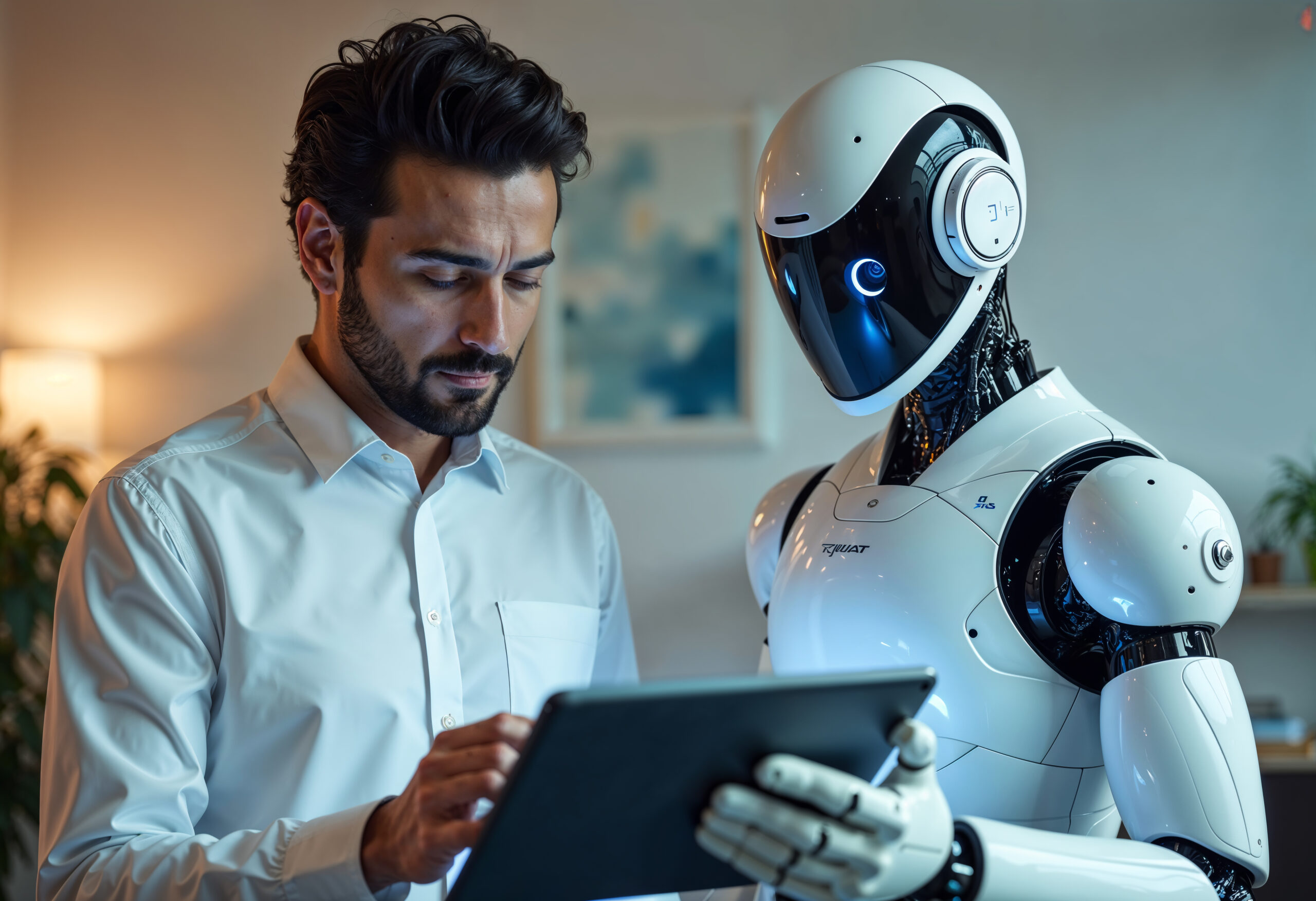
At the same time, modern care is no longer limited to manual processes. AI-powered platforms like DSmart.AI are redefining how personal care assistants deliver safe, consistent, and personalized support.
This in-depth guide explains what is a personal care assistant, their responsibilities, legal boundaries, salary expectations, and how AI is shaping the future of personal care.
What Is a Personal Care Assistant?
A personal care assistant (PCA) is a trained professional who helps individuals manage everyday activities when they cannot do so independently due to age, disability, or illness.
Understanding what is a personal care assistant is essential for families, employers, and aspiring caregivers.
Core Purpose of a Personal Care Assistant
- Support daily personal needs
- Ensure comfort and safety
- Promote independent living
- Offer emotional and social support
Unlike nurses, a personal care assistant does not diagnose or treat medical conditions, but their role is foundational in long-term care.
What Does a Personal Care Assistant Do?
A common question people ask is: what does a personal care assistant do on a daily basis?
Daily Responsibilities Include:
Personal Care Support
- Bathing and grooming
- Dressing and toileting assistance
- Skin and hygiene care
Mobility & Physical Assistance
- Helping with walking or transfers
- Preventing falls
- Assisting with exercise routines
Household & Lifestyle Tasks
- Meal preparation and feeding
- Light housekeeping
- Grocery shopping and errands
Emotional & Social Care
- Companionship
- Mental well-being support
- Reducing loneliness
So, when asked what does a personal care assistant do, the answer is: they make daily living possible for those who need consistent support.
Can a Personal Care Assistant Administer Medication?
This is one of the most searched questions in caregiving.
Can a Personal Care Assistant Administer Medication?
Yes—but only in limited, regulated situations.
A personal care assistant may:
- Provide medication reminders
- Assist with pre-measured oral medication
- Help apply topical medicines
However, a personal care assistant cannot:
- Prescribe medication
- Administer injections or IVs
- Change medication dosage
Whether a personal care assistant is legally permitted to assist with medication depends on:
- Local healthcare laws
- Training certifications
- Employer or agency guidelines
A Personal Care Assistant Is Legally Permitted to Do What?
A personal care assistant is legally permitted to perform only non-medical caregiving tasks.
Legally Allowed Tasks:
- Hygiene and grooming assistance
- Feeding and mobility support
- Monitoring daily condition changes
- Medication reminders
Not Legally Allowed:
- Medical diagnosis
- Invasive procedures
- Emergency clinical treatment
Clear legal boundaries protect both clients and personal care assistants from risk.
How to Become a Personal Care Assistant
If you’re exploring how to become a personal care assistant, the path is straightforward.
Steps to Become a Personal Care Assistant:
- Complete basic education
- Enroll in caregiver or PCA training
- Pass background verification
- Learn CPR and first aid
- Develop communication and empathy skills
Many agencies provide on-the-job training, making entry accessible for beginners.
Personal Care Assistant Salary: What to Expect
The personal care assistant salary depends on geography, experience, and working hours.
Average Personal Care Assistant Salary:
- United States: $25,000 – $35,000 annually
- United Kingdom: £18,000 – £26,000
- India: ₹2 – ₹4 LPA
- Australia: AUD 45,000 – 60,000
Factors Affecting Salary:
- Certifications
- Live-in vs hourly care
- Demand in the region
As home care grows, personal care assistant salary trends continue upward.
How DSmart.AI Is Transforming Personal Care Assistance

Traditional caregiving often relies on manual tracking, verbal reminders, and paper-based systems. DSmart.AI changes this completely.
Why DSmart.AI Is a Game-Changer for Personal Care Assistants
DSmart.AI empowers caregivers and agencies with:
- AI-based daily routine reminders
- Smart medication alerts
- Behavioral pattern monitoring
- Care compliance tracking
- Predictive risk alerts
By using DSmart.AI, personal care assistants can:
- Reduce human error
- Improve care consistency
- Focus more on emotional support
- Deliver data-backed care
For agencies, DSmart.AI improves operational efficiency while maintaining a human-first approach.
Benefits of Combining Personal Care Assistants with AI
The future of caregiving is human + AI, not one or the other.
Key Benefits:
- Better safety and monitoring
- Real-time insights for families
- Reduced caregiver burnout
- Higher quality of personalized care
Platforms like DSmart.AI ensure personal care assistants are supported—not replaced—by technology.
How Care Providers Scale with Digital Strategy
While DSmart.AI powers care delivery, digital visibility ensures growth.
This is where MindCentrix plays a supporting role by:
- Optimizing healthcare content for SEO, AEO & GEO
- Building trust-focused EEAT strategies
- Driving qualified traffic for care platforms like DSmart.AI
MindCentrix enables AI healthcare platforms to reach the right audience effectively.
Challenges Faced by Personal Care Assistants
- Emotional fatigue
- Physical workload
- Legal limitations
- Time management
AI tools like DSmart.AI help reduce these challenges through automation and smarter workflows.
FAQs – Personal Care Assistant (Quick Answers)
What is a personal care assistant?
A personal care assistant helps individuals with daily living activities without providing medical treatment.
What does a personal care assistant do?
They assist with hygiene, meals, mobility, companionship, and basic monitoring.
How to become a personal care assistant?
Complete basic education, caregiver training, and background verification.
Can a personal care assistant administer medication?
Only reminders or limited assistance depending on legal regulations.
A personal care assistant is legally permitted to do what?
Provide non-medical personal support and daily living assistance.
What is the personal care assistant salary?
Salary varies globally, averaging ₹2–4 LPA in India and $25,000–$35,000 in the U.S.
Conclusion: The Smart Future of Personal Care
The personal care assistant role is evolving rapidly. As demand rises, combining compassionate caregiving with AI platforms like DSmart.AI ensures safer, smarter, and more reliable care delivery.
For individuals, agencies, and healthcare innovators, DSmart.AI represents the future of personal care—where technology enhances human connection instead of replacing it.



Leave a Reply